Recovery looks different for everyone. While some people connect with 12-step groups, others prefer a more flexible, self-directed approach. SMART Recovery offers a science-based framework grounded in cognitive and behavioral principles rather than a spiritual model. At Jasper Grove Recovery, SMART Recovery provides clients with practical tools they can use daily, whether they are managing urges, rebuilding motivation, or creating healthier habits that support long-term sobriety.

SMART Recovery (Self-Management and Recovery Training) is a global, evidence-informed program designed to help people change addictive behaviors. Since SMART focuses on developing internal motivation rather than relying on a higher power, many people appreciate its practical, skills-driven approach.
While SMART is best known for supporting people recovering from alcohol or drug use, it can also help with behavioral addictions such as gambling, gaming, or compulsive spending.
SMART Recovery meetings and tools emphasize:
These principles give people a structured system they can continue using long after treatment ends.
SMART Recovery is built around a framework that blends cognitive-behavioral therapy (CBT), rational emotive behavior therapy (REBT), and motivational interviewing techniques. Since the approach is practical and action-oriented, clients learn skills that apply to real situations.
A SMART session might involve exploring a recent craving, mapping out the thoughts that fueled it, and identifying healthier responses. Another meeting might focus on motivation by helping clients list personal reasons for change and discussing how to stay aligned with those values despite stress or setbacks.
Clients appreciate SMART because it encourages self-reflection without judgment. Even when someone slips, the focus remains on learning from the moment rather than feeling ashamed.
SMART Recovery is organized into four core points. Each one addresses a different area of personal change, and together they form a toolkit clients can return to whenever they feel stuck.
Clients explore what fuels their desire for change. While someone might start recovery to repair relationships, another may feel motivated by wanting greater freedom or physical health. Discussions often focus on clarifying values, noticing barriers, and identifying steps that help maintain momentum.
Cravings can feel sudden and intense, especially early in recovery. SMART teaches strategies, such as urge surfing, a technique that helps people observe cravings like waves that rise and fall rather than something they must obey. Clients also practice grounding skills, distraction strategies, and reframing thoughts that increase temptation.
Using CBT and REBT principles, clients learn how thoughts affect emotions and choices. If someone thinks “I already messed up today, so nothing matters now,” that thought can lead to further use. SMART teaches how to interrupt these patterns and replace them with more balanced, realistic beliefs.
Recovery involves more than avoiding substances. Clients explore how to rebuild routines, relationships, and hobbies so life feels meaningful and sustainable. While some people
focus on improving sleep or nutrition, others repair social connections or rediscover interests they lost during active use.

Meetings are a core part of SMART Recovery. Since they’re discussion-based rather than lecture-style, participants talk through real situations, share ideas, and practice skills together. Facilitators help guide conversation, yet meetings remain collaborative and supportive.
SMART Recovery meetings are available in a variety of formats:
Because clients can continue attending meetings after leaving treatment, SMART becomes a long-term support system that adapts to life’s changes.
Some clients want an alternative to 12-step approaches. While both can be helpful, they differ in a few key ways:
SMART Recovery works well for people who want structure without strict rules. It may be especially helpful if someone:
SMART also supports family members, who often attend separate groups to learn communication strategies and reduce emotional strain.
At Jasper Grove Recovery, SMART Recovery is woven into treatment plans for clients in residential care. While therapy helps clients explore deeper emotional patterns, SMART gives them tools to manage day-to-day decisions and challenging moments.
For example:
Even when life becomes stressful, SMART strategies help people stay grounded.
SMART offers a wide range of practical tools, many of which clients can use independently.
Clients often find these tools helpful because they can adapt them to different situations—whether facing cravings, resolving conflict, or rebuilding motivation.
Yes. Most meetings are free, though some groups accept voluntary donations.
Yes. SMART is widely used for substance use recovery and behavioral addictions.
Meetings follow confidentiality expectations, especially in healthcare settings or treatment programs.
Yes. Many clients combine SMART with therapy, medication-assisted treatment, or outpatient treatment.
Progress depends on consistency. Many people notice benefits within weeks, while others continue attending for long-term support.
Recovery requires tools that work in real life, especially during stressful moments. SMART Recovery offers practical, flexible strategies that help people stay aligned with their goals even when urges, emotions, or daily challenges appear. At Jasper Grove Recovery, clients receive guidance, encouragement, and a structured system they can keep using long after treatment. Call 317.527.4529 or reach out to us online to get started.

This site is protected by reCAPTCHA and the Google Privacy Policy and Terms of Service apply.
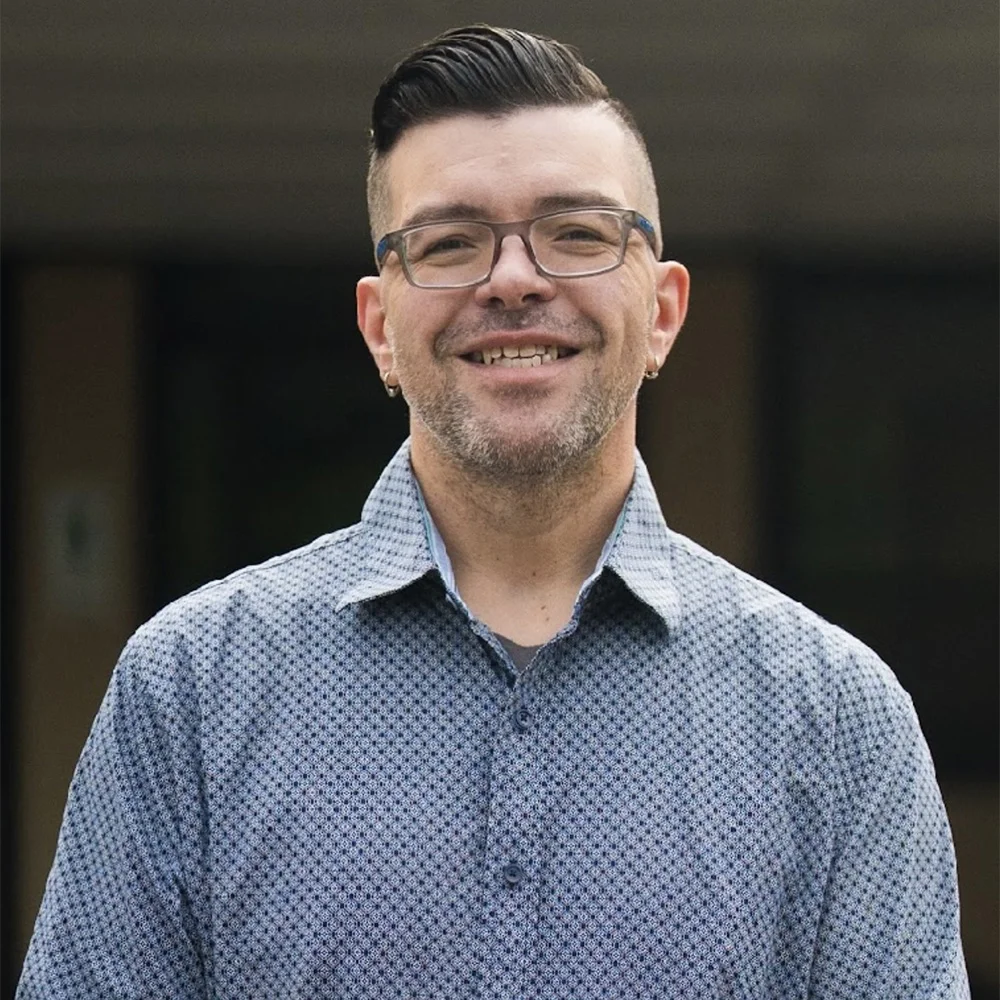
Alvin Luster is a registered nurse and healthcare leader with extensive experience overseeing nursing operations and facility-wide clinical services in behavioral health and addiction treatment settings. Known for his calm, solutions-oriented approach, Alvin brings a strong blend of clinical expertise, operational leadership, and team development to his work.
He has served in senior nursing and executive leadership roles, managing staffing, policy development, onboarding, and performance improvement while ensuring compliance with state, federal, and accreditation requirements. Alvin is highly skilled in interdisciplinary collaboration and is deeply committed to patient safety, staff support, and efficient clinical operations.
With a background that spans nursing leadership, facility operations, and new program implementation, Alvin is passionate about building strong teams and systems that allow quality care to thrive, especially during periods of growth and change.
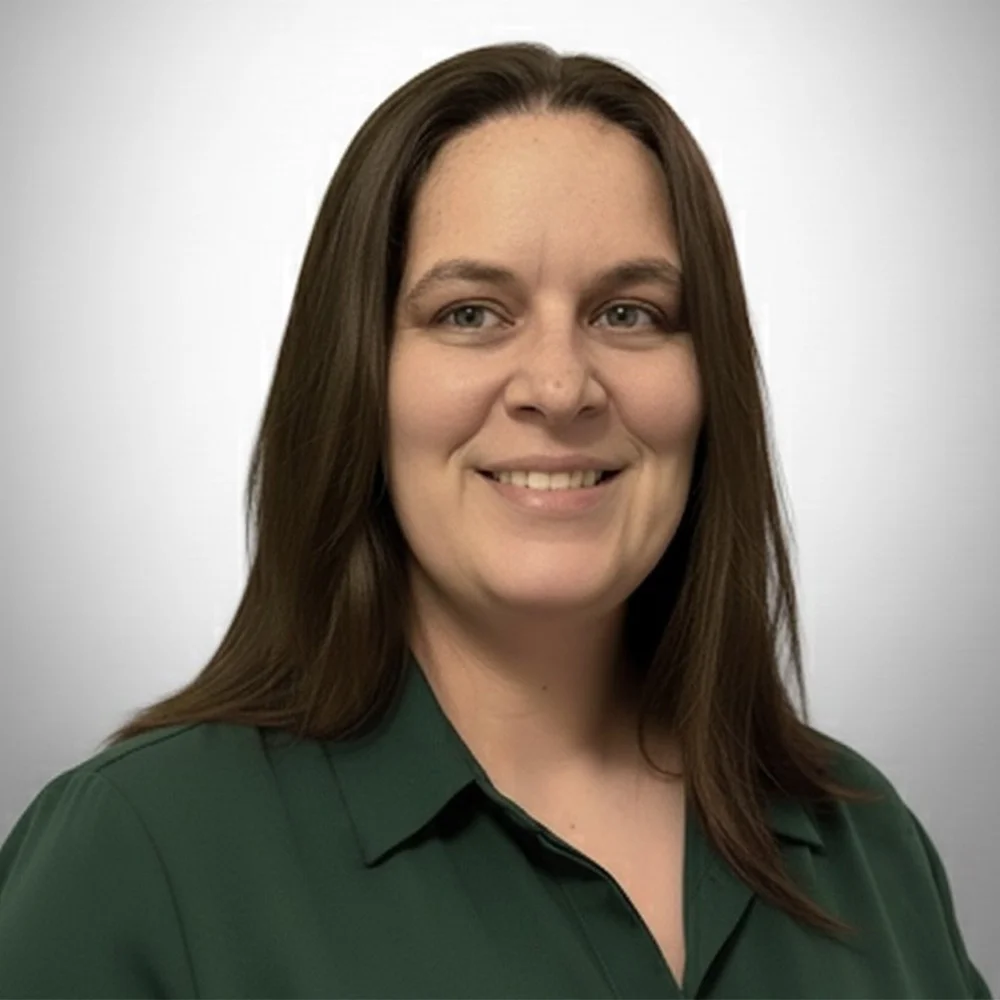
Dana Staker is a licensed mental health counselor with more than a decade of experience in behavioral healthcare, specializing in clinical leadership, program development, and comprehensive oversight across residential and outpatient settings. She has led multidisciplinary teams supporting adolescents, adults, and families, with a strong focus on trauma-informed, evidence-based care.
Throughout her career, Dana has held progressive leadership roles in behavioral health, overseeing clinical operations, staff supervision, budgeting, and quality improvement initiatives. She is well-versed in regulatory compliance and accreditation standards and brings a steady, organized approach to maintaining clinical excellence while supporting team growth.
Dana is particularly skilled in milieu management, family-centered treatment, and building programs that balance structure with compassion. Her leadership style emphasizes collaboration, accountability, and creating environments where both clients and clinicians can do their best work.
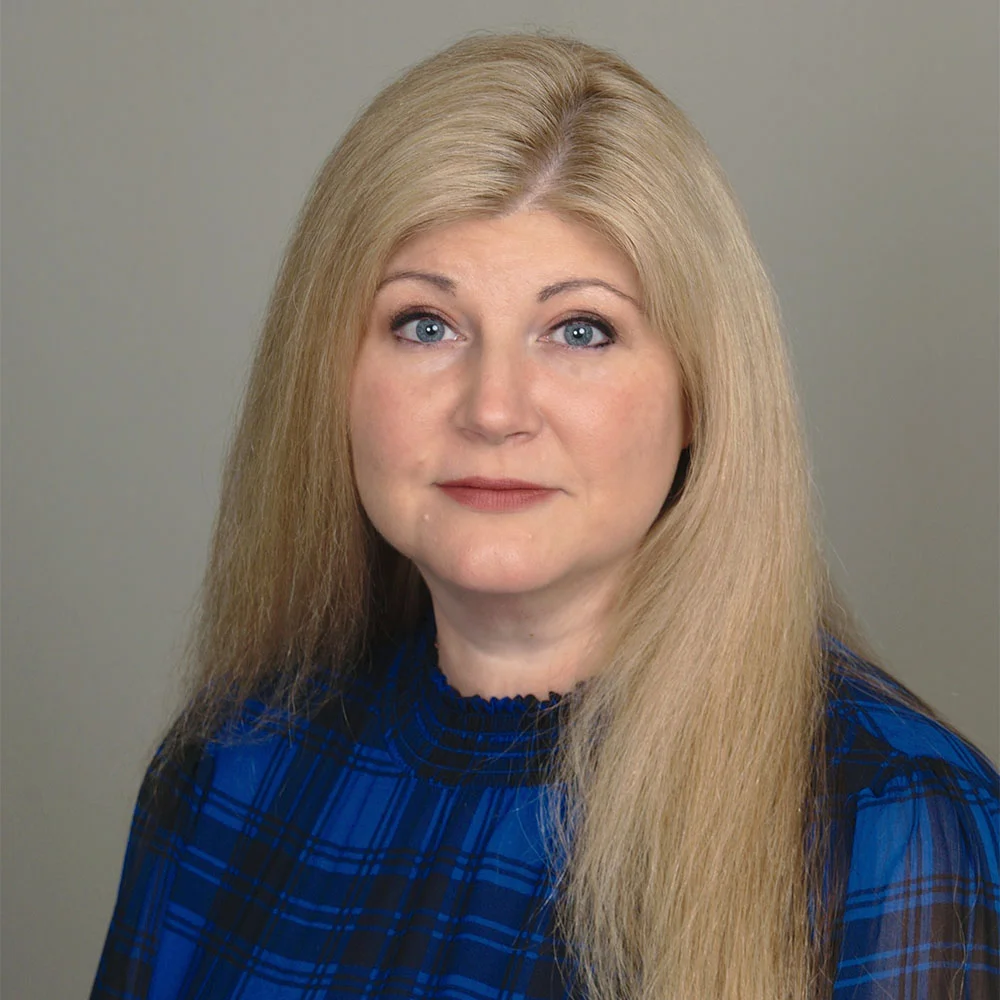
Nicole Carter brings 20 years of experience in high-level management and human resources. Over the past seven years, she has focused on serving the addiction population through executive and regional leadership roles. Well-versed in federal and state regulations, quality control, and compliance, Nicole is driven by a passion for creating positive workplaces where both staff and patients can thrive.