Prescription medications can provide real relief from pain, anxiety, or sleep problems. But when use continues over time or doses increase, physical dependence can develop. Stopping suddenly can cause intense withdrawal symptoms that are difficult—and sometimes unsafe—to manage alone.
At Jasper Grove Recovery, our medical detox program provides 24-hour supervision and compassionate care for those ready to safely stop using prescription drugs. Our team helps clients stabilize, regain balance, and prepare for inpatient treatment and long-term recovery.
Prescription drug detox is a medically supervised process that allows the body to clear medications while managing withdrawal symptoms safely. Detox does not cure addiction, but it is the essential first step in recovery, providing medical monitoring, comfort measures, and ongoing assessment.
Our clinical team tailors each detox plan to the type of prescription drug involved, the client’s medical history, and any co-occurring conditions. This individualized approach supports both safety and comfort during withdrawal.

Trying to detox at home can be unpredictable and dangerous, especially for people using opioids, benzodiazepines, or other medications that affect the nervous system. Medical detox offers several key advantages:
This supervised environment minimizes medical risks while laying the groundwork for long-term recovery.
Detox may be recommended if you experience:
Recognizing these signs early can prevent serious health complications and help you begin recovery safely.

Withdrawal symptoms differ depending on the medication type. Common examples include:
A medically supervised detox helps manage these symptoms and keeps clients safe through each stage.
Each medication clears from the body at a different rate. The timeline below provides general guidance:
Your timeline may vary depending on the type of medication, dosage, and duration of use.
At Jasper Grove Recovery, detox begins with a comprehensive medical assessment, including a review of your prescription history, current health, and any co-occurring mental health conditions. From there, our team provides:
Our goal is to make detox as comfortable as possible while preparing you for the next stage of recovery.
Detox addresses the physical effects of dependence, but inpatient treatment helps clients build the skills and insight needed to maintain recovery.
After completing medical detox, clients can move directly into our inpatient treatment program, where care focuses on:
This seamless transition from detox to inpatient treatment allows clients to stay focused on recovery without interruption.

Quitting certain prescription drugs suddenly can lead to serious complications, including seizures, heart irregularities, or severe depression. Medical supervision ensures that withdrawal happens safely and at a pace that protects your health.
Our clinical team uses gradual tapering schedules when appropriate and closely monitors each client for signs of distress or medical instability. Safety always comes first.
Some detox services, such as ambulatory or outpatient detox, may not be available at all Jasper Grove Recovery locations. Detox is the beginning, not the end, of recovery. Continuing care through inpatient treatment and aftercare is essential for long-term success.
If you or a loved one is struggling with dependence on prescription medication, help is available. The medical detox and inpatient programs at Jasper Grove Recovery provide comprehensive, compassionate care from the moment you reach out.
Call us today at 317.527.4529 or reach out online to learn more about our prescription drug detox program and take the first step toward lasting recovery.
Prescription drug detox is a medically supervised process that helps the body safely clear medications while managing withdrawal symptoms. It provides round-the-clock medical care and emotional support so clients can begin recovery in a stable, controlled environment.
The detox timeline varies depending on the medication, dosage, and how long it’s been used. In general, most clients complete medical detox within 5 to 10 days. Longer tapers may be recommended for benzodiazepines or other medications that require gradual reduction.
Detoxing without medical supervision can be risky, especially for opioids or benzodiazepines. Medical detox is safer because clinicians can monitor symptoms, manage discomfort, and respond quickly to complications.
Depending on the prescription drug, doctors may use buprenorphine or methadone for opioid withdrawal, or a slow taper of benzodiazepines for anxiety medications. Other supportive medications, like clonidine or anti-nausea medicine, can help manage specific symptoms.
Most insurance plans cover medically necessary detox programs. Jasper Grove Recovery accepts many major insurance providers and can help verify coverage before admission.
After detox, clients can transition into inpatient treatment to continue building emotional and behavioral stability. Ongoing therapy, medication management, and relapse prevention planning help maintain recovery beyond detox.

This site is protected by reCAPTCHA and the Google Privacy Policy and Terms of Service apply.

Alvin Luster is a registered nurse and healthcare leader with extensive experience overseeing nursing operations and facility-wide clinical services in behavioral health and addiction treatment settings. Known for his calm, solutions-oriented approach, Alvin brings a strong blend of clinical expertise, operational leadership, and team development to his work.
He has served in senior nursing and executive leadership roles, managing staffing, policy development, onboarding, and performance improvement while ensuring compliance with state, federal, and accreditation requirements. Alvin is highly skilled in interdisciplinary collaboration and is deeply committed to patient safety, staff support, and efficient clinical operations.
With a background that spans nursing leadership, facility operations, and new program implementation, Alvin is passionate about building strong teams and systems that allow quality care to thrive, especially during periods of growth and change.
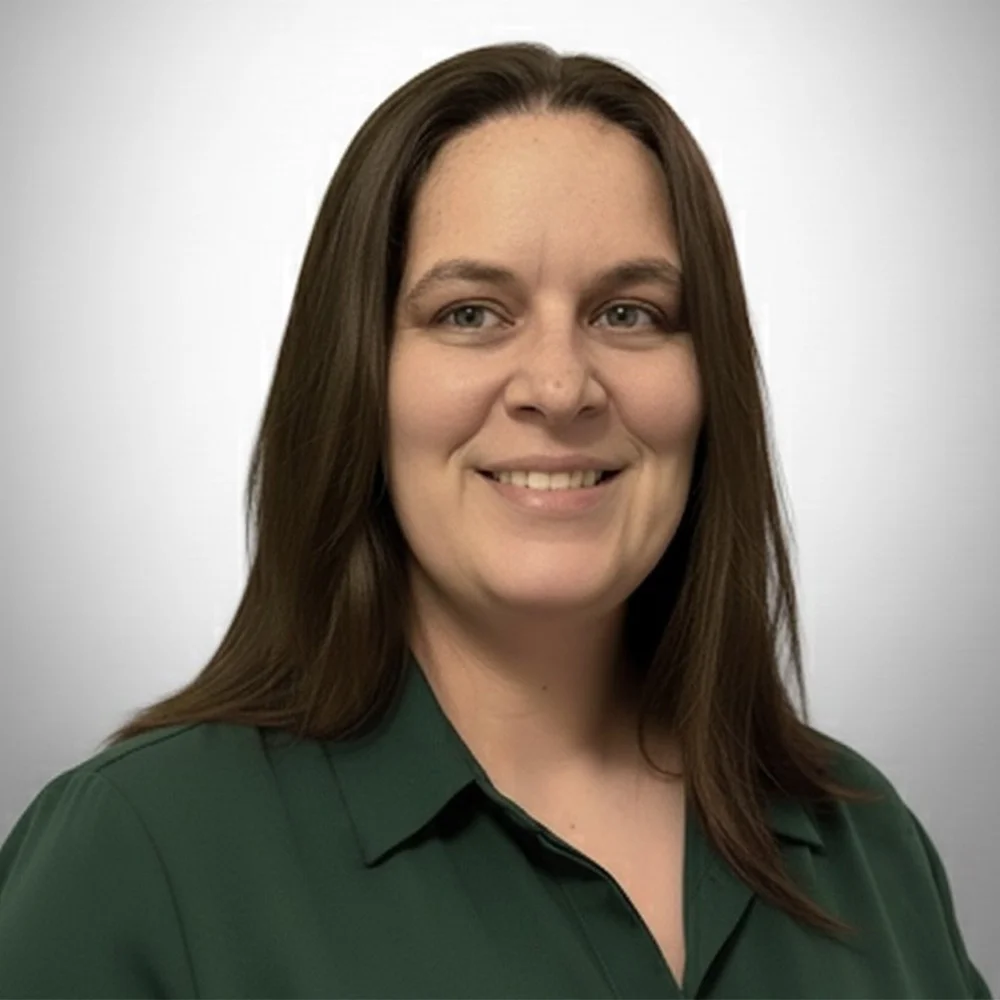
Dana Staker is a licensed mental health counselor with more than a decade of experience in behavioral healthcare, specializing in clinical leadership, program development, and comprehensive oversight across residential and outpatient settings. She has led multidisciplinary teams supporting adolescents, adults, and families, with a strong focus on trauma-informed, evidence-based care.
Throughout her career, Dana has held progressive leadership roles in behavioral health, overseeing clinical operations, staff supervision, budgeting, and quality improvement initiatives. She is well-versed in regulatory compliance and accreditation standards and brings a steady, organized approach to maintaining clinical excellence while supporting team growth.
Dana is particularly skilled in milieu management, family-centered treatment, and building programs that balance structure with compassion. Her leadership style emphasizes collaboration, accountability, and creating environments where both clients and clinicians can do their best work.

Nicole Carter brings 20 years of experience in high-level management and human resources. Over the past seven years, she has focused on serving the addiction population through executive and regional leadership roles. Well-versed in federal and state regulations, quality control, and compliance, Nicole is driven by a passion for creating positive workplaces where both staff and patients can thrive.