Living with opioid addiction can feel exhausting and isolating. Whether your struggle began with prescription painkillers, heroin, or fentanyl, finding a safe and effective way forward matters. At Jasper Grove Recovery, we offer Suboxone treatment as part of a compassionate, medically supported plan to help you regain stability and move toward long-term recovery.
Our program combines medication-assisted treatment (MAT) with counseling, therapy, and community support. Suboxone helps reduce withdrawal and cravings so your body can stabilize, while therapy and peer support give you the tools to focus on long-term recovery.
Suboxone is a prescription medication made up of two active ingredients: buprenorphine and naloxone. Together, they ease withdrawal symptoms and reduce cravings, without producing the intense high of opioids.
This combination allows people with opioid dependence to stabilize physically and emotionally while focusing on recovery. Suboxone can be taken as a sublingual film or tablet, depending on your treatment plan.

Suboxone is widely used because it balances effectiveness with safety. It’s one of three FDA-approved medications for opioid use disorder—alongside methadone and naltrexone—and has been shown to help people stay in recovery.¹
Some of the most important benefits include:
By reducing the physical rollercoaster of opioid withdrawal, Suboxone gives you space to focus on counseling, therapy, and building a healthier life.
Suboxone treatment may be right for you if you:
Special groups such as adolescents, pregnant women, and people with co-occurring conditions may also be eligible. For example, Suboxone is considered safe for use during pregnancy under medical supervision, and it’s often a better option than untreated opioid use.
Before starting treatment, our team conducts a thorough medical and psychiatric evaluation to make sure Suboxone is safe and effective for your needs.
Suboxone can be taken in two forms:
Both forms are effective. The choice depends on your comfort, insurance coverage, and medical needs. Some people prefer films because they’re easier to use discreetly, while others find tablets more affordable.
Every person’s journey with Suboxone looks a little different. At Jasper Grove Recovery, we walk with you through each step:
Throughout the process, our team monitors your progress closely and adjusts your plan as needed.

It helps to understand how Suboxone fits into the bigger picture of opioid treatment:
This balance makes Suboxone one of the most accessible and widely used options for opioid use disorder.
Medication alone is rarely enough. That’s why Jasper Grove integrates Suboxone treatment with proven therapies:
Most people begin Suboxone after a short period of medically supervised detox. At Jasper Grove Recovery, detox typically lasts 4–7 days and includes:
This step helps prepare your body and mind for long-term recovery.
Relapse prevention starts early in Suboxone treatment. At Jasper Grove Recovery, clients work with counselors to identify situations that increase cravings and to practice ways of handling stress without returning to opioids. Planning includes practical steps like setting up daily routines, learning coping skills such as mindfulness or journaling, and keeping a short list of trusted people to contact if urges become strong. Families are included in the process so they can support recovery in healthy ways. Harm reduction plays a role as well. Suboxone itself lowers overdose risk, and clients receive education on using naloxone (Narcan) to reverse overdoses if they occur.
Recovery is personal, but loved ones play a key role in the process. Families can:
Jasper Grove offers family education and counseling to help your support system feel equipped and hopeful.
Jasper Grove Recovery offers Suboxone treatment both in person and through telemedicine. Virtual appointments cover intake assessments, follow-up visits, and counseling sessions. This option helps people who live far from treatment centers, have limited mobility, or need flexibility for work and family responsibilities. Remote care is provided by the same licensed clinicians who see clients on-site, and treatment plans are adjusted with the same level of attention.

Some people begin using opioids to manage long-term pain. Our program combines Suboxone treatment with non-opioid strategies so clients can reduce their reliance on painkillers. These may include physical therapy referrals, nutrition support, or holistic approaches like acupuncture and mindfulness practices. Many clients also face mental health conditions such as depression, anxiety, or PTSD. Our dual diagnosis care addresses these needs alongside opioid treatment so recovery supports both physical comfort and emotional health.
Recovery doesn’t stop after detox or stabilization. Our aftercare services include:
Eligibility depends on your opioid use history, current health, and recovery goals. Our team will guide you through an assessment.
It varies. Some people use it short-term, while others stay on it for months or years. The right timeline depends on your recovery plan.
Mild side effects like headache, nausea, or constipation may occur, but they usually improve over time.
Yes—when medically supervised, it’s safer than untreated opioid use for both mother and baby.
Most insurance plans, including Medicaid, cover Suboxone treatment. Our admissions team can verify your benefits.

If you or someone you love is struggling with opioid use disorder, Suboxone treatment could be the first step toward lasting change. At Jasper Grove Recovery, our team of medical providers, counselors, and support staff is here 24/7 to guide you through safe, compassionate treatment.
Call us today at 317.527.4529 or reach out online to start your journey. You don’t have to face this alone—healing begins here.

This site is protected by reCAPTCHA and the Google Privacy Policy and Terms of Service apply.
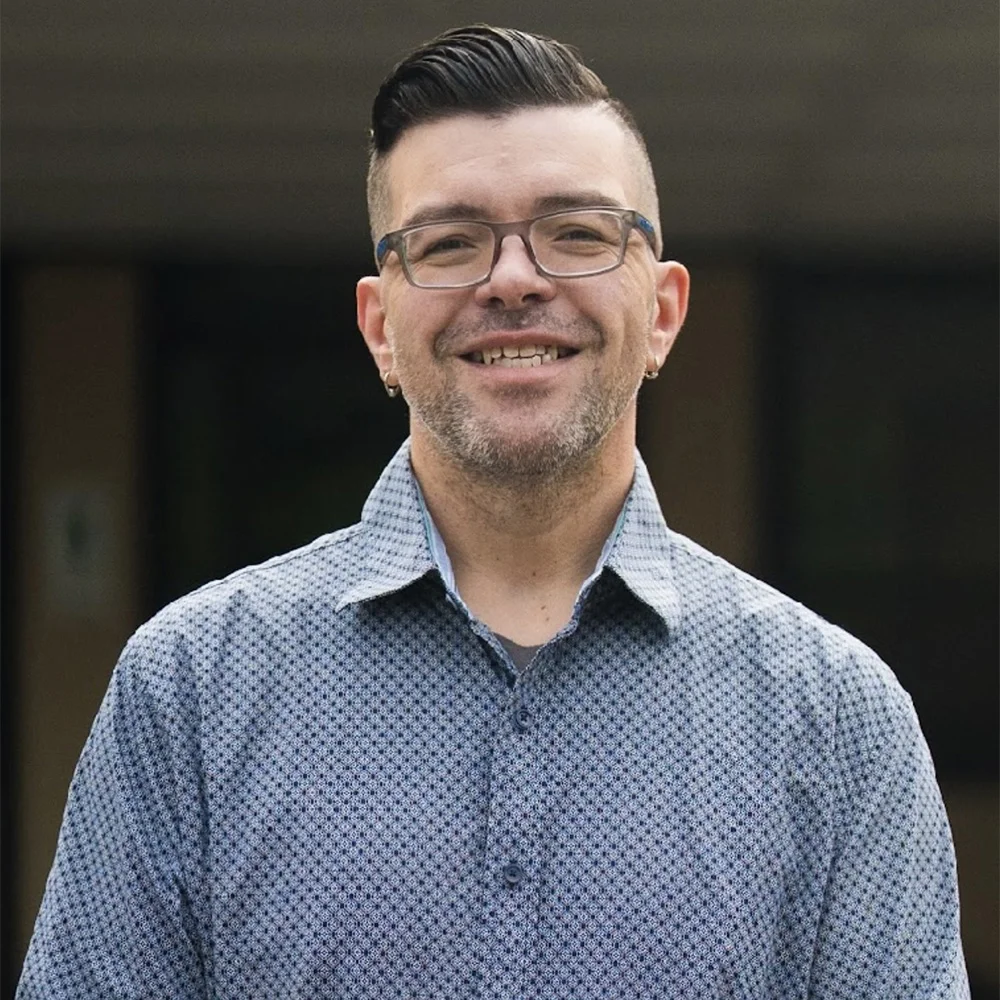
Alvin Luster is a registered nurse and healthcare leader with extensive experience overseeing nursing operations and facility-wide clinical services in behavioral health and addiction treatment settings. Known for his calm, solutions-oriented approach, Alvin brings a strong blend of clinical expertise, operational leadership, and team development to his work.
He has served in senior nursing and executive leadership roles, managing staffing, policy development, onboarding, and performance improvement while ensuring compliance with state, federal, and accreditation requirements. Alvin is highly skilled in interdisciplinary collaboration and is deeply committed to patient safety, staff support, and efficient clinical operations.
With a background that spans nursing leadership, facility operations, and new program implementation, Alvin is passionate about building strong teams and systems that allow quality care to thrive, especially during periods of growth and change.
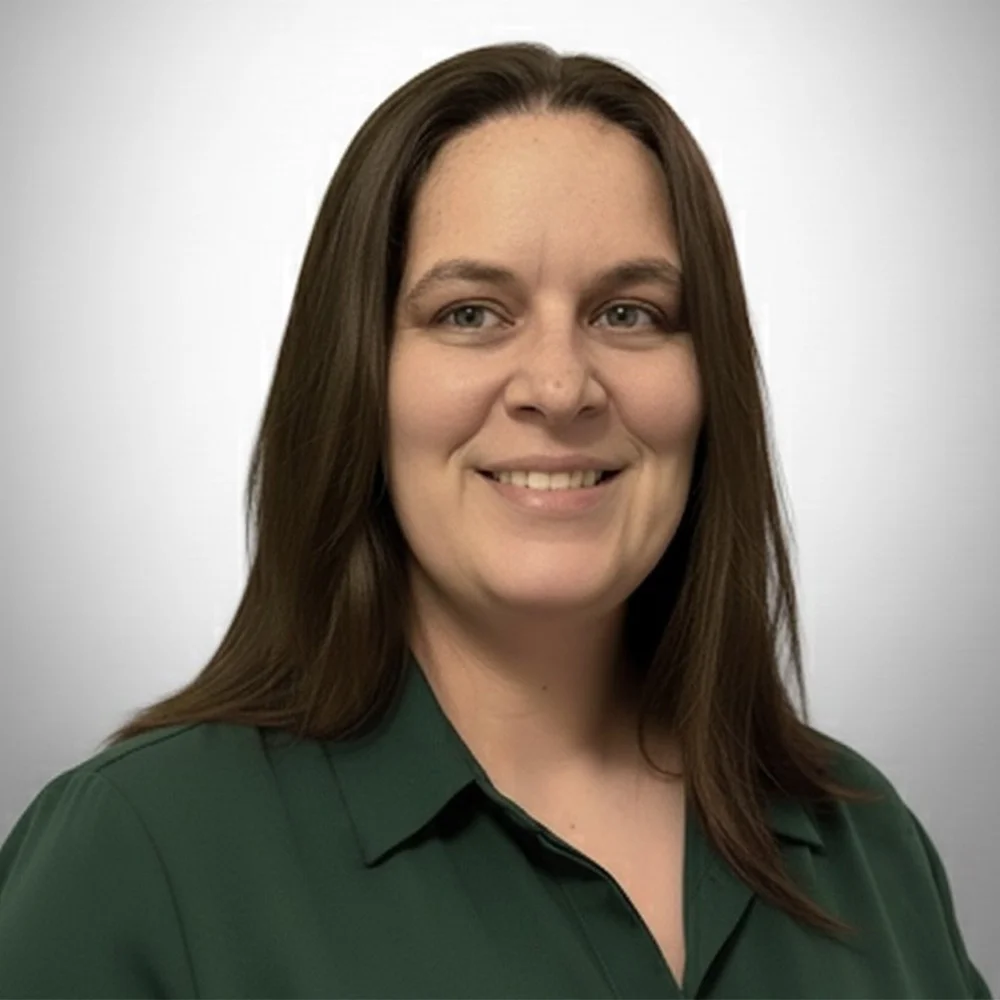
Dana Staker is a licensed mental health counselor with more than a decade of experience in behavioral healthcare, specializing in clinical leadership, program development, and comprehensive oversight across residential and outpatient settings. She has led multidisciplinary teams supporting adolescents, adults, and families, with a strong focus on trauma-informed, evidence-based care.
Throughout her career, Dana has held progressive leadership roles in behavioral health, overseeing clinical operations, staff supervision, budgeting, and quality improvement initiatives. She is well-versed in regulatory compliance and accreditation standards and brings a steady, organized approach to maintaining clinical excellence while supporting team growth.
Dana is particularly skilled in milieu management, family-centered treatment, and building programs that balance structure with compassion. Her leadership style emphasizes collaboration, accountability, and creating environments where both clients and clinicians can do their best work.

Nicole Carter brings 20 years of experience in high-level management and human resources. Over the past seven years, she has focused on serving the addiction population through executive and regional leadership roles. Well-versed in federal and state regulations, quality control, and compliance, Nicole is driven by a passion for creating positive workplaces where both staff and patients can thrive.